What Happens the Morning of Countertop Install Day
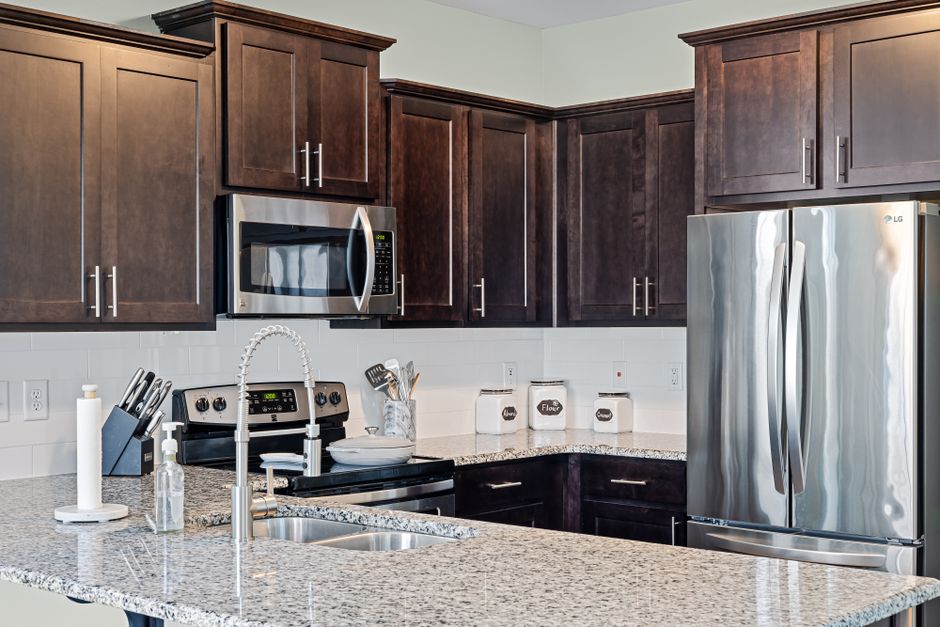
Two kitchens that look the same on a floor plan can eat a very different first hour, because the old tops in one are glued to the cabinet boxes and the old tops in the other are held by a handful of screws. The countertop installers who work Austin, TX kitchens plan the morning around that difference, as the notes at austin countertop installers ussny describe.
The truck and the path

The crew usually pulls up between seven and eight, before the heat builds over Travis County. One person walks the route from the driveway to the sink wall and looks at every threshold, door swing and tight turn. Slabs travel on their long edge in an A-frame cart, and a granite or quartz piece the length of a kitchen run needs a clear lane wider than most hallways in older Hyde Park and Tarrytown houses.
Protecting the floor and the appliances
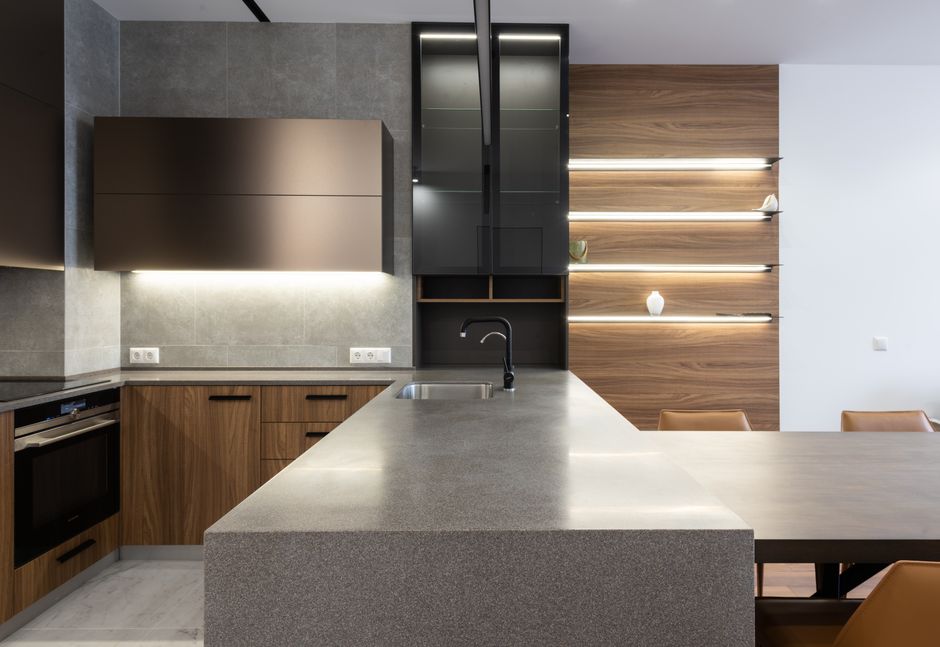
Before any stone enters the house, the crew lays rosin paper or hard board along the path and over the floor in front of the cabinets. Ranges and dishwashers get pulled forward only as far as the hoses and cords allow, and the front edges get padded.
Water off, sink out
The shutoff valves under the sink come first. A crew member closes both, opens the faucet to bleed pressure, and loosens the supply lines and the drain trap with a bucket underneath. In a house near Bouldin Creek or Clarksville with original plumbing, a stiff old valve that will not close is the most common reason the morning stalls, and the fix is a plumber, not force.
Cutting the old tops loose
Laminate tops come off fastest. A reciprocating saw or an oscillating tool cuts the caulk and adhesive beads along the wall, and a flat bar lifts the top an inch at a time. A heavy old granite slab or a poured solid surface top is a different job: it gets scored at the seam, supported from below, and carried out in sections by two people.
Reading the cabinets once the tops are gone
With the tops out, the bare cabinet boxes tell the truth. Low spots get marked with a pencil, and shims go under the face frames or inside the base before anything new is set. Older homes near the Balcones Fault and on limestone fill can have floors that drift half an inch across ten feet, and the crew would rather find that at nine in the morning than when a slab is already on the cabinets.
Where the morning ends
By late morning the room is a clean, empty frame of cabinets with the old tops gone, the plumbing capped and the floor covered. The template, cut at the shop from the earlier measurement visit, sits against the wall, and the first slab comes off the truck.