Sink and Cooktop Cutouts on Install Day
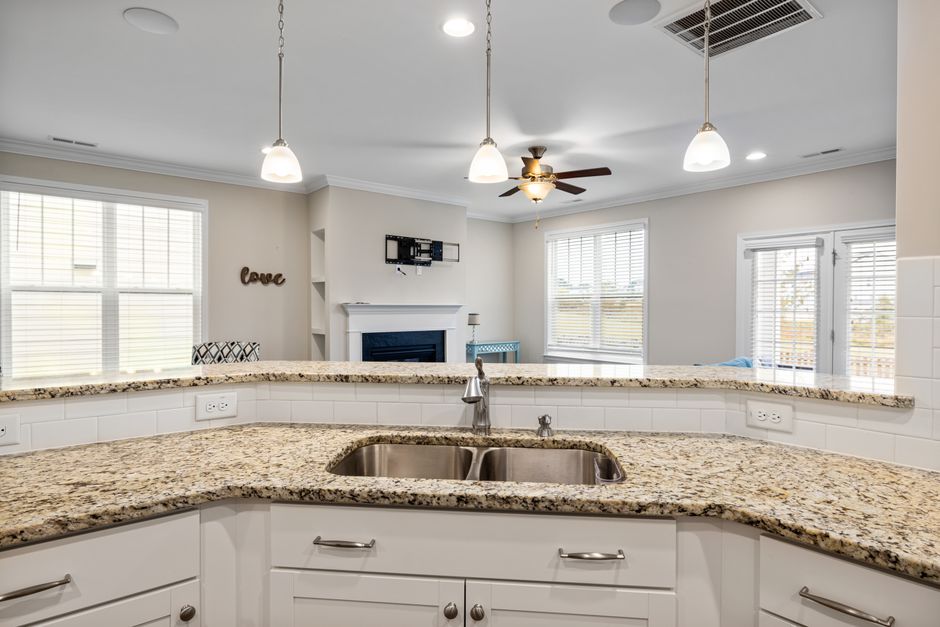
By the time the stone is lying across the base cabinets, the sink cutout has either been made correctly at the shop or it is about to cost the crew an afternoon, as the notes at austin countertop installers ussny describe. In a countertop job in Austin, TX the opening is the one place where a few millimetres decide whether the whole piece is usable.
Shop cut or site cut
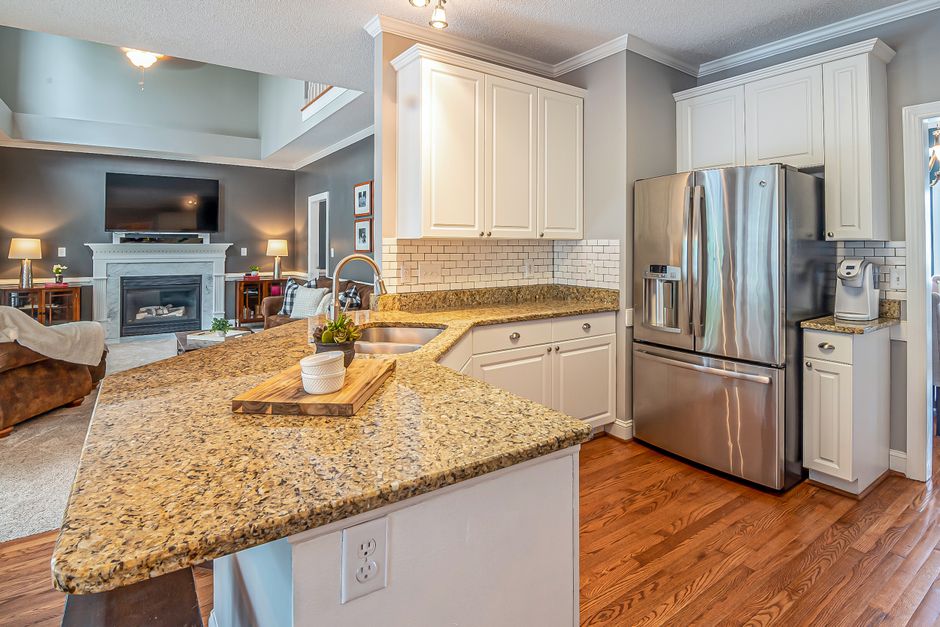
Most cutouts for granite, quartz and quartzite are made at the shop on a water jet or a bridge saw, working from the digital template taken at the measurement visit. The stone arrives with the opening already polished. A site cut is the exception, used when the sink model is still undecided or a drop-in cooktop is swapped late.
Checking the opening against the sink
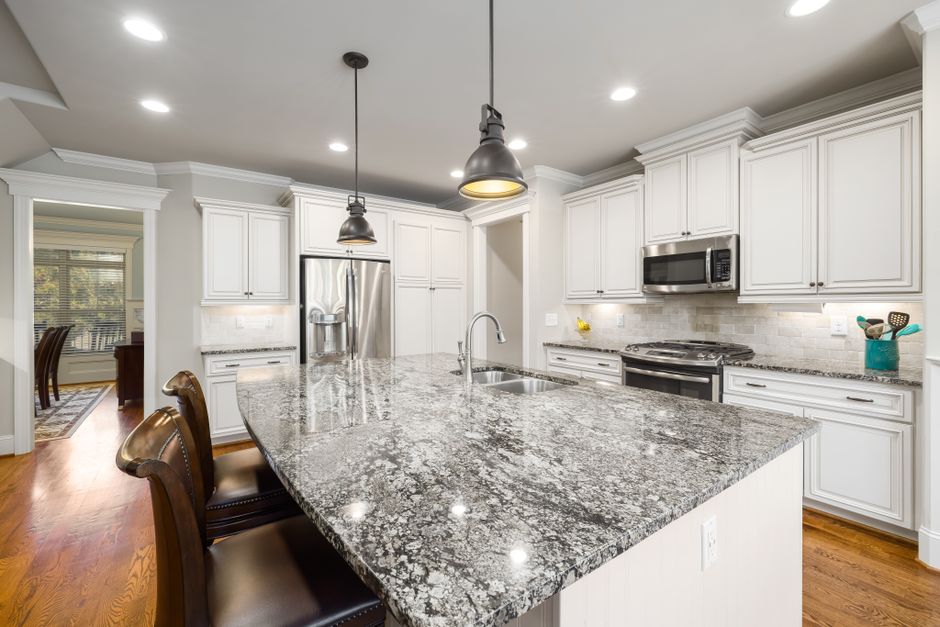
The installer sets the sink, or the manufacturer's paper template, over the opening before the slab is glued. An undermount sink needs a reveal of a set width between the stone edge and the bowl rim, and the corners need a small radius so the stone does not crack. A tight corner on a thin section of marble or soapstone is a common crack line, so the crew looks at the narrow strips of stone left in front of and beside the bowl.
Polish and support
An undermount cutout shows its edge, so the edge is polished smooth and eased. Clips, brackets or a bead of silicone and epoxy hold the sink to the underside of the stone. The crew sets the sink with the faucet holes lined up, and waits for the adhesive to grip before the top is loaded.
Faucet holes and accessories
Faucet, soap dispenser and air gap holes are drilled at the shop with a diamond core bit. A hole drilled on site needs a drip of water to keep the bit cool, and a crew will not drill close to a seam. The faucet spread, the number of holes and any cutting board ledge should match what is on the order, since a missing hole cannot be added at an awkward edge later.
Cooktops and ranges
A drop-in cooktop uses an opening cut to the manufacturer's template, with a gap for the flange and clearance for the burners. A freestanding range needs no cutout, just a clean gap at the wall and a backsplash that clears the controls. Gas lines are never touched by the stone crew. A licensed plumber or gas fitter reconnects the line, and the crew leaves the cooktop opening free until that visit.
Reconnecting in order
With the stone set and the epoxy firm, the plumber reconnects the sink drain, then the supply lines, and checks for drips under the cabinet. Water is turned on slowly, and the installer watches the underside of the cutout for weeping at the clips.